What Should You Know Before Applying for a Concealed Carry Permit?
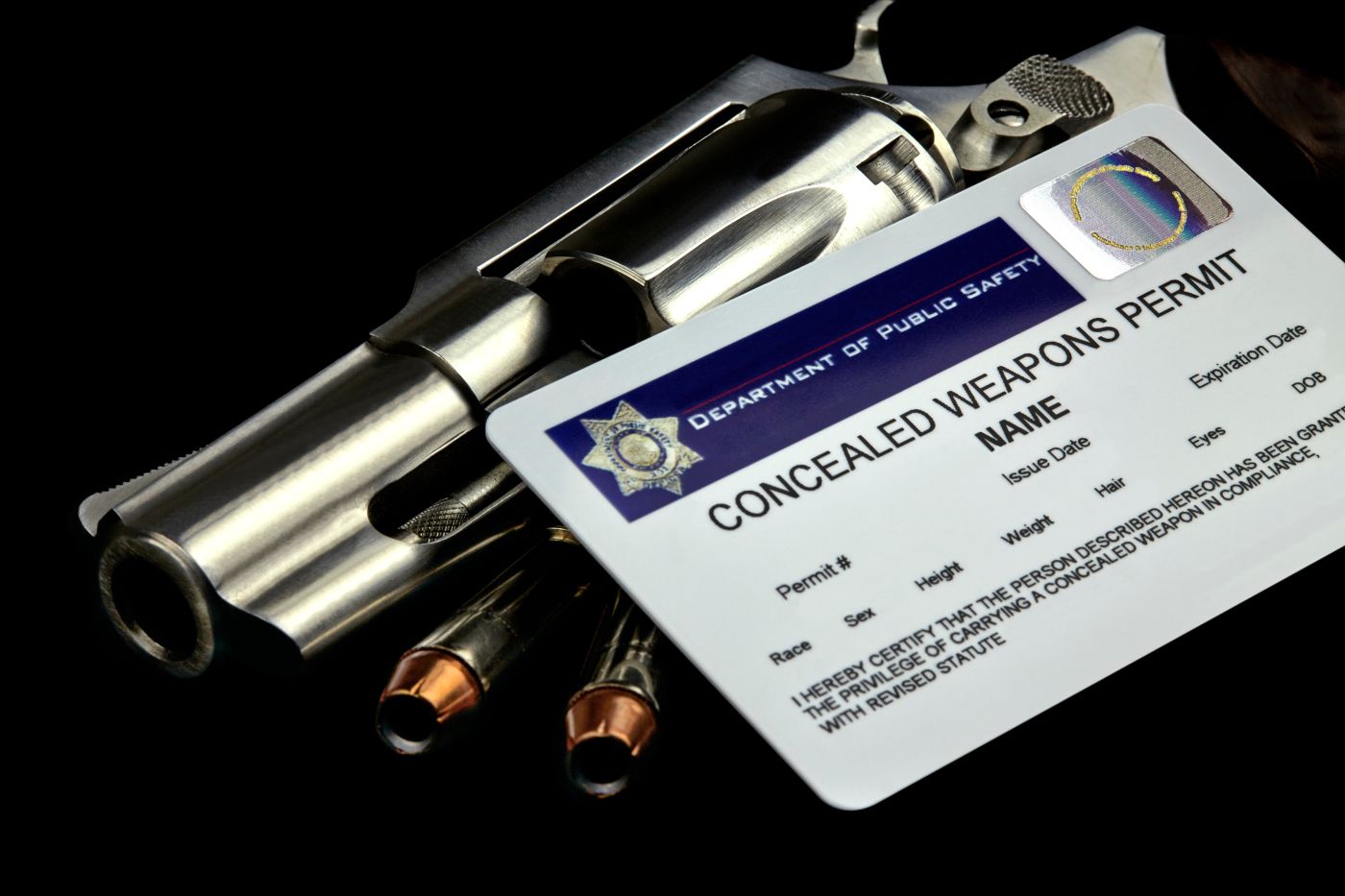
Carrying a firearm involves strict statutory eligibility requirements, federal restrictions, and background checks that can unexpectedly affect your right to carry.
Obtaining a state-issued handgun license provides crucial legal benefits, including out-of-state reciprocity, streamlined gun purchases, and defense protections on private property.
Understanding restricted locations, notice and signage rules, and the limits of Texas self-defense law can help reduce the risk of weapons-related criminal charges.
Partnering with our team can ensure your constitutional rights remain protected if you ever face unlawful carry accusations or defensive force investigations.
Deciding to exercise your right to carry a concealed firearm is a significant decision that carries heavy legal responsibilities. While gun ownership is deeply rooted in personal protection and defense of loved ones, navigating the detailed statutory requirements surrounding firearm possession requires careful attention.
Before applying for a concealed carry permit, you’ll want to understand Texas’s eligibility requirements, potential disqualifiers, restricted locations, and the legal advantages a license can provide. Our team at McDougal Law Firm can help.
We serve clients in Richmond, Texas, and throughout Fort Bend, Wharton, and Colorado Counties. Contact our firm today to review your case and safeguard your constitutional rights.
Before submitting an official application for a handgun license, you must make sure you satisfy all statutory qualification criteria set by state and federal authorities. Eligibility rules cover various aspects of your background, ranging from criminal history to financial obligations.
Knowing these standards upfront helps you avoid administrative denials or potential legal issues during the process. To qualify for a state-issued handgun license, you must meet specific personal, legal, and criminal background conditions:
Age and residency standards: You generally must be at least 21 years old, although Texas law provides exceptions for certain members or veterans of the U.S. armed forces and for certain 18-to-20-year-olds protected by specified active protective or emergency orders.
Texas residents must satisfy the applicable residency requirement, but state law also provides a procedure for certain nonresidents to obtain a license.
Clean criminal background: You cannot have a prior felony conviction, nor can you be currently charged with a felony, Class A misdemeanor, or Class B misdemeanor. A conviction for a Class A or Class B misdemeanor within the five years preceding the application generally makes you ineligible.
Financial and court obligations: State agencies will deny applications if you are delinquent on child support payments administered by the attorney general or delinquent in paying state or local taxes.
Sound judgment and mental health: You must not be chemically dependent on drugs or alcohol and must be capable of exercising sound judgment regarding handgun safety and storage. You may be ineligible if you are currently restricted under a court protective order or subject to a qualifying restraining order affecting the spousal relationship.
Meeting these prerequisites prevents unexpected delays and ensures your application moves smoothly through processing channels. If you have questions regarding past charges or potential background issues, contact us to schedule a consultation.
Even in states that do not require permits to carry firearms, securing an official license offers distinct legal advantages that unpermitted carry simply cannot provide. A physical license serves as verified proof that you have passed federal background screenings and completed state-sanctioned safety training.
This credential can reduce legal ambiguities if you are ever stopped by law enforcement while carrying a concealed weapon. Additionally, holding a license may provide reciprocity privileges when traveling outside state lines, allowing you to legally carry across participating states.
License holders may also be able to make firearm purchases faster by bypassing repetitive background checks at licensed gun dealers. A valid permit can affect how certain state and federal location restrictions apply, but the specific exceptions and notice requirements depend on the location and applicable statute.
Holding a concealed handgun license doesn’t mean you can carry a firearm everywhere. Federal and Texas laws restrict firearm possession in specified locations, although some statutes provide exceptions depending on the person's license status and the circumstances.
Knowingly, intentionally, or recklessly carrying or possessing a firearm in a location prohibited by Texas law can result in criminal charges, depending on the applicable statute and circumstances.
Common restricted locations include public schools, university campuses, polling places on election days, courtrooms, racetracks, and secured areas of commercial airports.
Private property owners can provide statutory notice prohibiting license holders from carrying concealed or openly carried handguns. Paying close attention to visible signage and local property rules protects you from accidental statutory violations.
Carrying a firearm is both a constitutionally protected right and a serious commitment to legal compliance. Knowing the eligibility criteria, keeping track of restricted areas, and completing state-approved training help ensure you remain on the right side of the law.
If you ever face gun-related charges or need advice on how prior record issues affect your right to carry, our team at McDougal Law Firm is ready to advocate for you. We defend clients in Richmond, Texas, and throughout Fort Bend, Wharton, and Colorado Counties. Contact us today to discuss your situation.
In states that do not require permits to carry firearms, eligible adults who can lawfully possess a firearm may carry concealed in public without a license. However, specific location restrictions, private property signs, and federal regulations still strictly apply.
Felony convictions, active misdemeanor charges, recent Class A or B misdemeanor convictions, delinquent child support payments, chemical dependency, and active protective orders will disqualify you from obtaining a permit. Review your record with our criminal defense team to determine your eligibility.
If you're facing weapons charges, unlawful carry accusations, or self-defense investigations, our team at McDougal Law Firm can advocate for your rights. Our attorneys review law enforcement actions, challenge improper searches, and fight to protect your future.