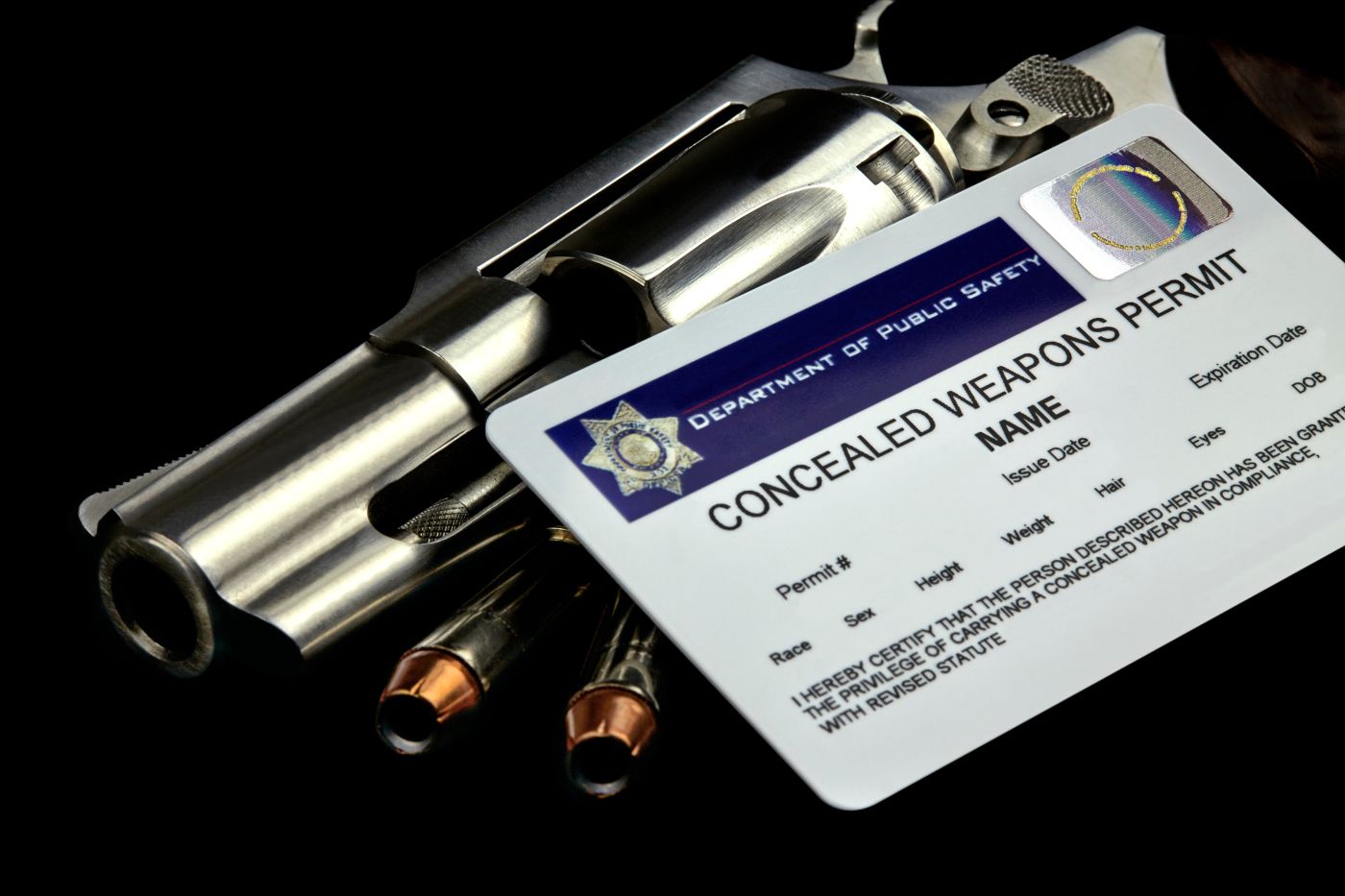
What to Know About Applying for a Concealed Carry Permit
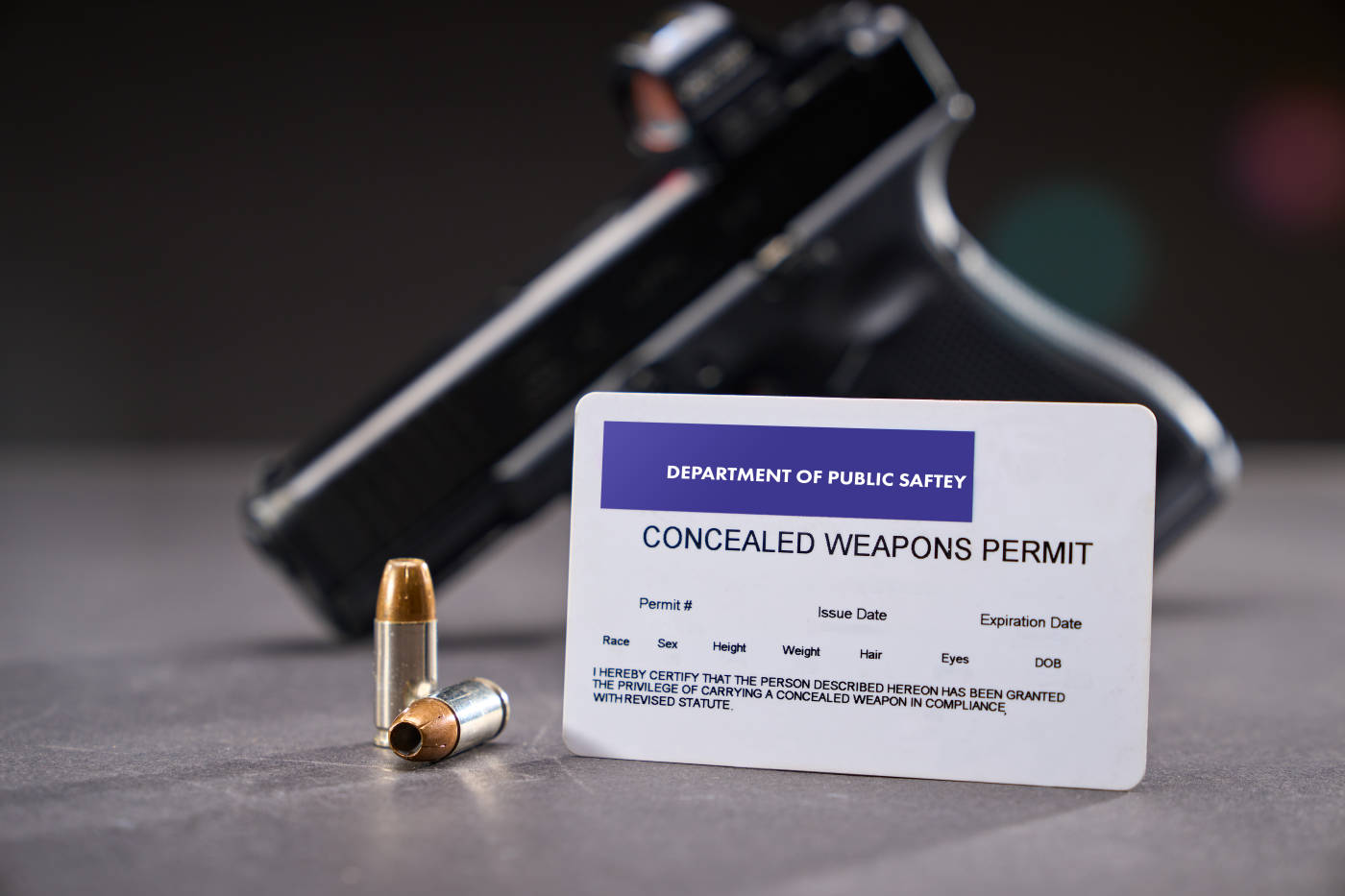
Choosing to apply for a concealed carry permit is a significant decision. Many people pursue a permit to exercise their rights while taking personal safety seriously. Questions about eligibility, training requirements, and legal responsibilities are common, and it's natural to want clear information before taking the next step.
At McDougal Law Firm, we know that firearm laws affect everyday people from many backgrounds. Whether you're applying for the first time or have concerns about how prior legal issues could affect your rights, we're committed to helping clients make informed decisions, and our criminal defense lawyers can provide valuable guidance. Located in Richmond, Texas, we serve clients throughout Fort Bend County, Wharton County, and Colorado County. Reach out to us to discuss your situation and learn how we can help.
Concealed carry requirements vary by state, but there are common qualifications that applicants should expect. Although Texas allows permitless carry in many situations, some residents still choose to obtain a License to Carry because it provides additional benefits and may be recognized in other states.
Applicants generally must meet age requirements and satisfy criminal history and legal eligibility standards. Certain convictions, pending charges, and protective orders may affect whether a permit can be issued. This is one reason clients seek our guidance before submitting an application.
If you've had a prior arrest or conviction, speaking with our experienced criminal defense lawyers may help you determine whether your record could present challenges. An experienced lawyer can review your circumstances and explain how state laws apply to your case.
Applying for a concealed carry permit typically involves more than filling out paperwork. States often require training and background checks before approving. Before starting the process, it's helpful to know what may be involved.
Application materials:
Personal identification information.
Fingerprints and photographs, depending on state requirements.
Payment of applicable fees.
Training requirements:
Firearm safety instruction.
Laws regarding the use of force.
Practical shooting proficiency, if required.
Background reviews:
Criminal history checks.
Verification of legal eligibility.
Review of disqualifying factors.
Carefully completing these requirements can help avoid delays. We often assist people with concerns about prior offenses or questions about eligibility before submitting an application.
Many applicants are surprised to learn that even older criminal matters can affect their ability to obtain a concealed carry permit. Depending on the circumstances, misdemeanors, felony convictions, deferred adjudication, and pending charges may all play a part.
Some issues that commonly raise questions include:
Felony convictions: Federal and state laws often prohibit firearm possession after certain felony convictions.
Domestic violence offenses: Specific convictions may result in restrictions that remain in effect for many years.
Protective orders: Active court orders can affect firearm rights.
Pending criminal charges: Ongoing cases may delay or prevent approval.
These situations don't always mean a person has no options. In some cases, legal remedies or the passage of time may change eligibility. We often review criminal records and explain what factors may impact a permit application. Because each case involves different facts, it's wise to seek legal advice before assuming that a prior issue automatically precludes approval.
Receiving a denial after applying for a concealed carry permit can be frustrating, especially if you believed you met all of the requirements. In some situations, the denial may be based on information in a criminal record, missing documentation, or factors affecting eligibility under state or federal law. A denial doesn't always mean the matter is permanently closed.
Depending on the circumstances, you may be able to correct the issue that caused the denial or challenge the licensing authority’s decision. Start by reviewing the stated reason for the denial. The authority may have relied on an inaccurate or outdated record, or a change in the law may provide another path forward.
Because every situation is different, taking action without fully understanding the reason for the denial can create additional problems. Learning why an application was denied and what options may exist can help you make informed decisions about your next steps and avoid delays.
People often think permit applications are straightforward, but legal questions may arise when past arrests, expungements, or other matters are involved. At McDougal Law Firm, we help clients evaluate these issues and avoid mistakes that could create additional problems.
Legal assistance may be useful in several situations.
Questions about criminal history:
Reviewing convictions and dismissed charges.
Determining whether records affect firearm rights.
Application concerns:
Addressing denied applications.
Responding to requests for additional information.
Related criminal matters:
Handling pending charges.
Exploring available legal remedies.
Rights restoration questions:
Reviewing eligibility under state and federal law.
Discussing options that may be available.
Taking the time to address these concerns before applying can save frustration later. We provide guidance that helps applicants understand their rights and responsibilities.
Applying for a concealed carry permit involves more than submitting forms. Taking time to learn the requirements, reviewing your criminal history, and addressing questions early can help you approach the process with greater confidence.
At McDougal Law Firm, we understand that questions involving firearm rights and prior legal matters can bring uncertainty. We're committed to helping you find answers and protect your interests. Located in Richmond, Texas, we proudly serve clients throughout Fort Bend County, Wharton County, and Colorado County. Contact us today for clear guidance regarding permit applications and related concerns.